WATER HEATERS
Water Heater Relief Valve Dripping in East Haven?
That copper pipe running down the side of the tank is a pressure warning, so leave it open, catch the drip and find out what is pushing water out.
Updated November 20, 2026 · New Haven, CT
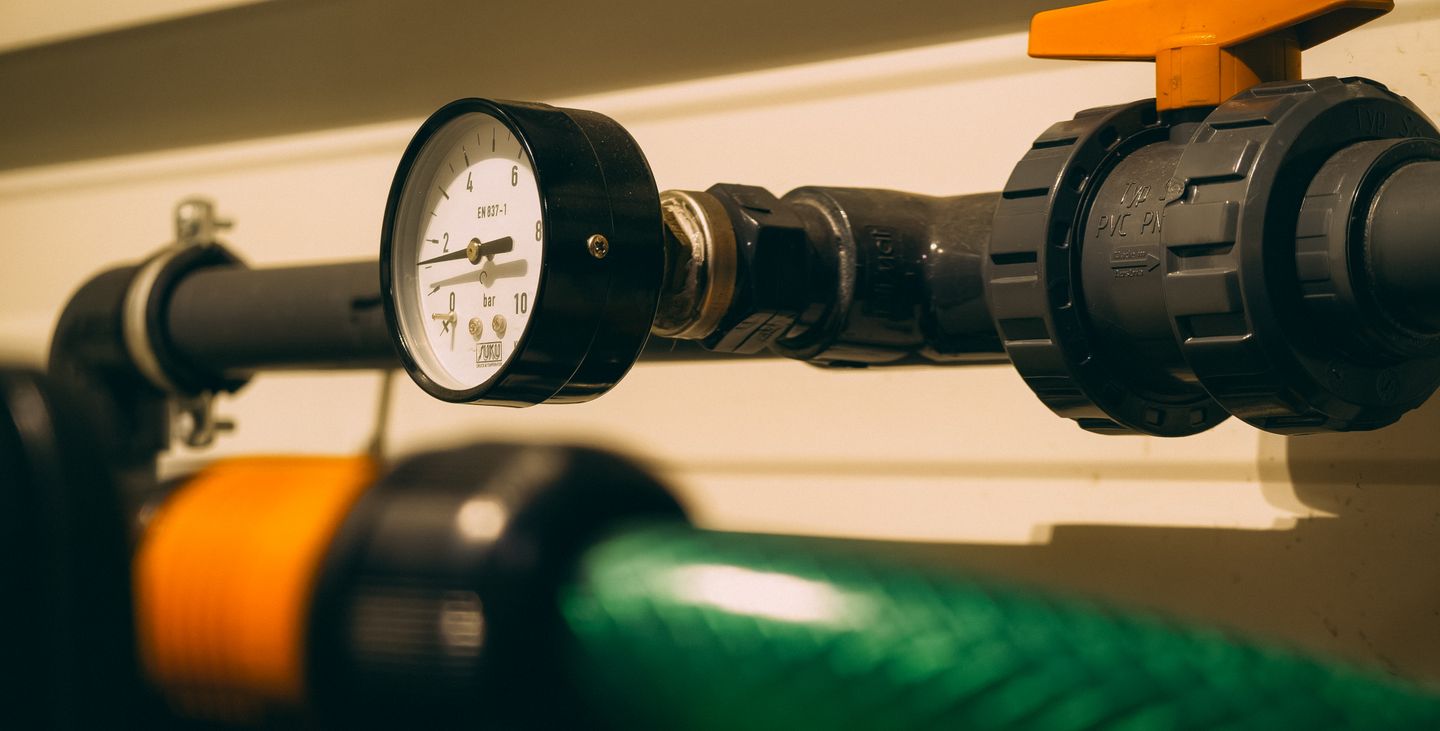
A small puddle on the basement floor right under the pipe that runs down the side of the water heater is the relief valve letting water out. A dripping relief valve means pressure or heat inside the tank is climbing past what the valve allows, so the fix is to leave the pipe open, catch the water, and have a licensed plumber find what is building that pressure. November is when East Haven homeowners tend to notice, because colder water coming in from the street makes the heater fire longer and harder every day.
What the Drip Usually Comes Down To
The International Code Council puts it plainly: on a healthy system the relief valve should never discharge. When it does, there are two usual suspects. The first is expansion. Water grows as it heats, and in a house with a check valve or pressure reducing valve at the meter that extra volume has nowhere to go unless an expansion tank sits on the cold line. The second is a worn valve that no longer seats tight, common on tanks that have been in the basement ten years or more.
Five Safe Checks This Weekend
- Leave the end of the pipe open. The code bans a threaded end on that discharge pipe for one reason: so nobody screws a cap on it to stop the drip. A capped relief line takes away the only outlet the tank has when pressure spikes.
- Look at where the pipe ends. It should stop within 6 inches of the floor, a drain pan or a floor drain, in the same room as the heater, where you can see it. A pipe that ends up high, runs into a sink, or disappears into a wall is worth pointing out to the plumber.
- Check the hot water temperature. Run the tap closest to the heater for three minutes and put a meat thermometer in a mug of it. The EPA recommends 120 degrees. If yours reads well above that, have the plumber reset it on the same visit.
- Look for a small tank on the cold line. An expansion tank is about the size of a basketball and sits on the cold water pipe above or beside the heater. No tank, plus a drip that shows up after long showers or a dishwasher run, points straight at expansion.
- Set a bucket under the pipe and note the timing. A drip only after the burner or elements cycle tells a different story than a steady trickle around the clock, and the plumber will want to know which one you have.
Call a Licensed Plumber When
Hot water or steam pushing out of the pipe, or a tank that rumbles and pops while the valve runs, means shut the cold supply valve on top of the heater and call right away. Leave the valve's test lever alone on an older tank with a drip, since a crusted valve can stick open once you lift it.
Replacing the relief valve, adding an expansion tank, and anything touching a gas burner or the wiring on an electric unit are jobs for a licensed pro. If you smell gas near the heater, get everyone outside and call the gas company from there.
Got a Drip Under the Tank Right Now?
Tell us what the pipe is doing when you call the number at the top of the page, or put it in the callback form, and we'll line you up with a licensed plumber who handles water heater repair in East Haven and the rest of the shoreline. If the water is coming from the tank itself, our guide to a water heater leaking in North Haven covers that problem step by step.
This week's move
Put a bucket under the relief valve pipe tonight, make sure nothing is capping it, and book a plumber before the drip turns into a stream.
Quick Answers
Is a dripping water heater relief valve dangerous?
The drip itself is the safety device working. The International Code Council says a relief valve on a healthy system should discharge no water at all, so any drip means something is off with the water pressure in the house or with the heater and valve. Never cap the pipe. Catch the water and have a licensed plumber find the cause.
What temperature should my water heater be set to?
The U.S. Environmental Protection Agency recommends 120 degrees Fahrenheit to prevent scalding, according to the Building America Solution Center at Pacific Northwest National Laboratory. Run the tap nearest the heater for three minutes and check the water with a meat thermometer to see where yours sits.
Sources
Dealing with this right now?
Call and a licensed New Haven plumber from our team can be there today.
Call 203-654-9405Licensed and insured plumbers · Phones answered 24/7
Phones answered 24/7, holidays included