SEASONAL PREP
First Freeze in Wallingford? Protect Your Pipes This Weekend
Saturday night lows are forecast in the low 30s across northern Connecticut, so pull the hoses, drain the outdoor faucets and wrap any pipe in an unheated space before dark.
Updated October 16, 2026 · New Haven, CT
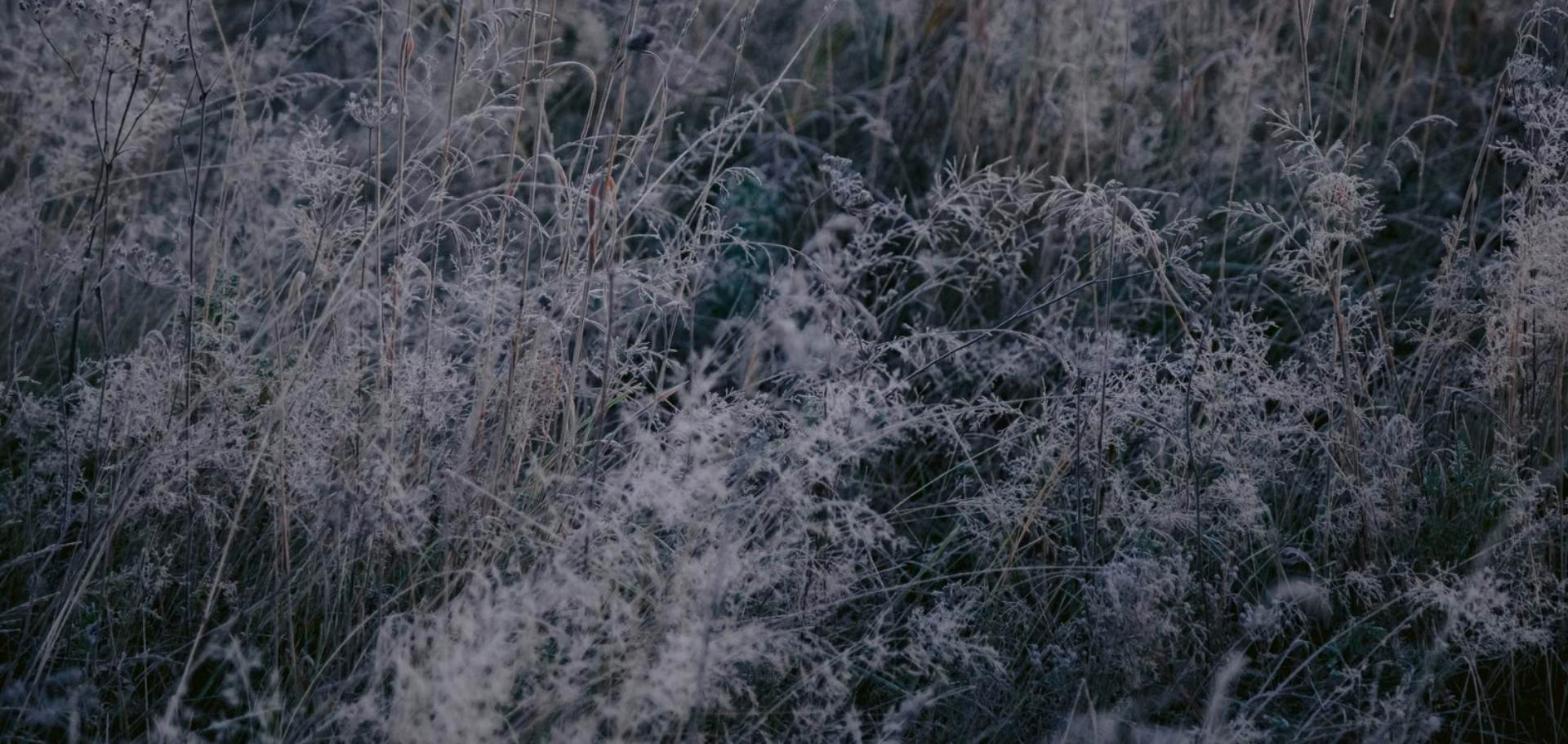
To protect your pipes before the first freeze, disconnect the garden hoses, shut off and drain the outdoor faucets, wrap foam sleeves on every pipe that runs through an unheated space, and keep the thermostat at 55 or higher overnight. Do it before Saturday night. Patch, citing the National Weather Service, reported Saturday night lows near 31 in northern Connecticut and near 35 in southern Connecticut, with WTNH calling for a hard freeze Sunday morning.
Why Wallingford Pipes Feel the Cold First
Wallingford sits inland, away from the warmth of the Sound, and it gets cold earlier than the shoreline towns. The Old Farmer's Almanac puts the town's average first fall frost around October 11, based on the Meriden Markham airport station, so this weekend's cold is right on schedule.
A lot of houses here are older capes, ranches and colonials with plumbing that runs through crawl spaces, attached garages, bump out kitchens and outside walls. Those are the lines that freeze first. The first hard freeze is the night that finds every hose left on a spigot and every bare pipe next to a drafty rim joist.
Five Things to Do Before Saturday Night
- Pull the hoses and drain the outdoor faucets. A hose left attached traps water in the faucet body, even on a frost free sillcock. Close the inside shutoff for each outdoor faucet, open the faucet outside and let it drain. Our outdoor faucet guide walks through it.
- Wrap pipes in unheated spaces. Slip foam pipe sleeves over any water line in the crawl space, garage or unfinished basement edge, and tape the seams. Start with lines that run along an outside wall.
- Block the drafts. Cold air pouring through a gap at the rim joist, a cracked basement window or a loose dryer vent can freeze a pipe in a room that feels fine. Stuff the gaps with foam board or fiberglass and close the crawl space vents for winter.
- Open the sink cabinets on outside walls. On the coldest nights, leave the doors under the kitchen and bathroom sinks open so house heat reaches the pipes, and keep the thermostat at 55 or higher, even when you're away.
- Find the main shutoff and make sure it turns. If a pipe splits, the main valve is how you stop the water. Our main shutoff guide shows where to look and how to test it.
Signs You Need a Plumber
- A faucet gives a trickle or nothing on a cold morning. A section of pipe is likely frozen. Leave the faucet open and warm the room. Never use an open flame on a pipe. If water still isn't flowing within an hour, call.
- Water shows up inside after you run an outdoor faucet. A frost free sillcock that froze with a hose on it often splits inside the wall, and the leak only shows the first time you use it.
- A ceiling or wall stain appears along an outside wall. That usually means a line in the wall cavity froze and opened up. Shut the main and get it looked at before the drywall soaks through.
- The water meter moves with everything shut off. Something is leaking somewhere, often a pipe in a crawl space you rarely see.
- You can see a bulge or split in a pipe. Shut the main right away. A pipe that cracked while frozen will spray once it thaws.
If a pipe froze or split, call us or use the form on this page and we'll connect you with a licensed plumber in Wallingford or North Haven. Our burst pipe repair page covers what happens next, and our frozen pipes guide covers the deep winter cold snaps.
This week's move
Before Saturday night, disconnect the hoses, drain the outdoor faucets and wrap every pipe in an unheated space with foam sleeves.
Quick Answers
What temperature do pipes freeze in Connecticut?
Pipes in unheated spaces start to freeze once the air around them stays below 32 degrees for several hours, and the risk climbs fast in the 20s. A pipe in a drafty crawl space or garage can freeze on a night when the yard thermometer only reads the low 30s, because wind pulls the heat off it.
Should I drip my faucets on the first cold night?
On a night in the low 30s, wrapping exposed pipes and opening the sink cabinets on outside walls usually does the job. Once forecasts drop into the teens or single digits, let a thin stream run from the faucet farthest from the main so water keeps moving through the line.
Sources
Dealing with this right now?
Call and a licensed New Haven plumber from our team can be there today.
Call 203-654-9405Licensed and insured plumbers · Phones answered 24/7
Phones answered 24/7, holidays included