SEASONAL PREP
Winterize Your Sprinkler System in Woodbridge Before Frost
Woodbridge's average first fall frost lands around October 11, so shut off and drain the irrigation system and protect the backflow preventer this week.
Updated October 5, 2026 · New Haven, CT
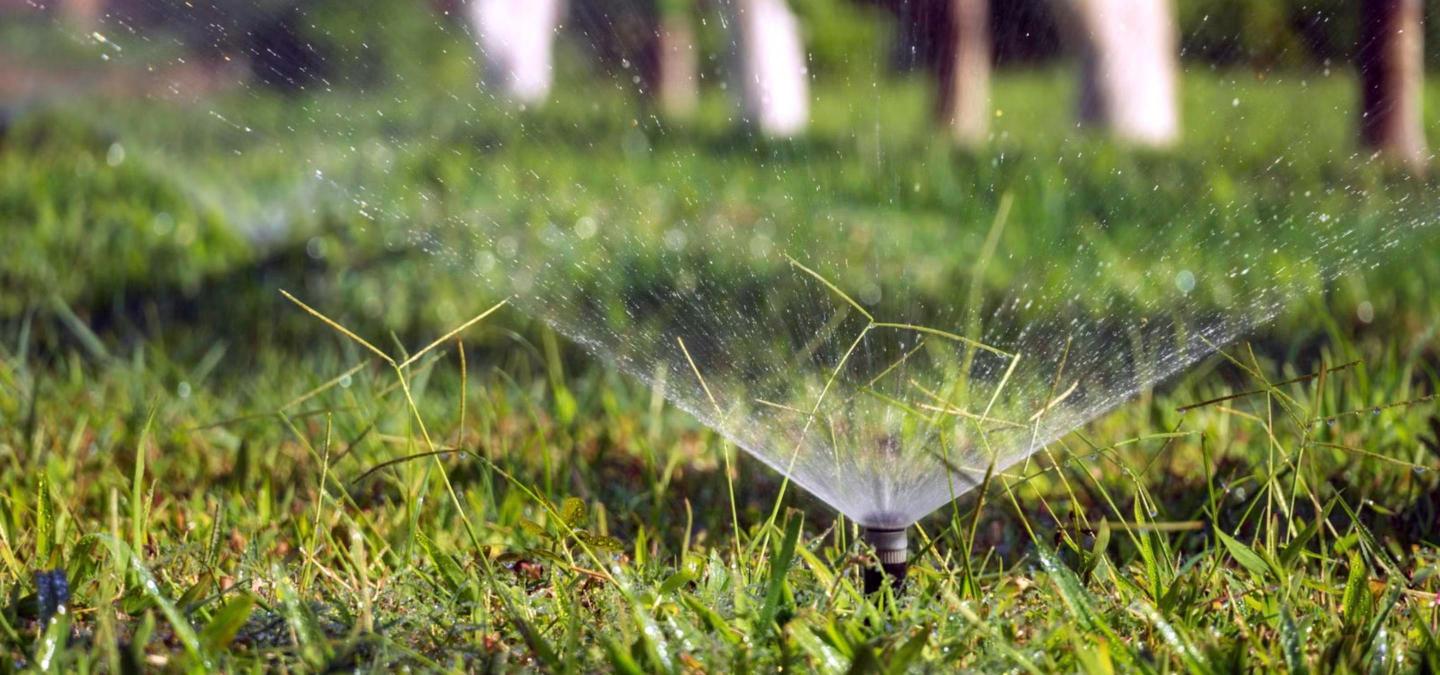
Shut off the water to your sprinkler system, drain it, and protect the backflow preventer before the first frost. In Woodbridge, The Old Farmer's Almanac puts the average first fall frost around October 11, based on the Ansonia climate station closest to town. That leaves about a week to get it done while the afternoons are still mild.
Why Woodbridge Systems Crack Over the Winter
Plenty of Woodbridge homes sit on big lots with in-ground irrigation, and the piece that usually fails first is the backflow preventer, the valve assembly where the sprinkler line leaves the house or rises out of the ground. It sits above grade with water trapped inside. One cold night can split the body or crack a fitting, and most people find out in May when they turn the system back on and water sprays out the side of the house.
The Regional Water Authority lists irrigation systems as an example of a cross connection, a spot where outside water could get pulled back toward the drinking water supply. The backflow preventer is the device that stops that from happening, so it needs to come through the winter in one piece.
Five Things to Do This Week
- Close the irrigation shutoff. Find the valve on the sprinkler line, usually in the basement near the water meter or where the pipe heads out through the foundation wall, and turn it all the way closed.
- Set the controller to off or rain mode. That keeps the timer from opening zones on an empty line all winter. Leave it powered so it holds the program for spring.
- Drain the line inside the house. Put a bucket under the small drain cap or drain valve just past the shutoff and open it. If your system has manual drain valves at the low ends of the zones, open those too.
- Drain and wrap the backflow preventer. Turn its two handles to half open, open the small test cocks with a flat screwdriver so the water inside runs out, then cover the assembly with an insulated pouch or foam wrap.
- Book the blowout. Most in-ground systems need compressed air pushed through each zone to clear the buried lines. Too much pressure can blow apart heads and fittings and damage the backflow valve, so leave that step to an irrigation contractor or a plumber with the right setup.
Signs You Need a Plumber
- The shutoff is stuck or drips when closed. Old gate valves seize up, and a valve that won't hold keeps the line to the yard full of water all winter.
- There's no separate shutoff for the sprinklers. Some older installs tee straight off the main line. A plumber can add a dedicated valve and drain so next fall takes five minutes.
- The backflow preventer is cracked, leaking or spraying. Replacing it is plumbing work, and Connecticut requires certain backflow devices to be tested by someone who has passed a testing course approved by the Department of Public Health.
- The basement wall is wet where the line goes out. A damp foundation wall or a stain on the ceiling below the shutoff points to a leak inside the house. Get it fixed before the cold sets in.
- The water bill climbed this summer and you can't explain it. A slow leak on a buried irrigation line can run for months. A plumber with leak detection gear can find it without tearing up the whole yard.
If the sprinkler shutoff is stuck, the backflow preventer is leaking, or you have no way to isolate the line, call us or use the form on this page and we'll connect you with a licensed plumber in Woodbridge or Orange. Our backflow testing page covers the device itself, and leak detection covers the hidden drips. Still have hose faucets to shut down? Start with our outdoor faucet winterizing guide.
This week's move
Close the sprinkler shutoff, drain and wrap the backflow preventer, and book the blowout before Woodbridge's first frost around October 11.
Quick Answers
When should I winterize my sprinkler system in Woodbridge, CT?
Before the first frost, which averages around October 11 in Woodbridge according to The Old Farmer's Almanac. Shut off and drain the system in early October, and get the lines blown out before the first hard freeze.
Can I winterize my sprinklers myself?
You can close the irrigation shutoff, set the controller to off, and drain and wrap the backflow preventer yourself. The compressed air blowout and any repair to a cracked or leaking backflow device are jobs for an irrigation contractor or a licensed plumber.
Sources
Dealing with this right now?
Call and a licensed New Haven plumber from our team can be there today.
Call 203-654-9405Licensed and insured plumbers · Phones answered 24/7
Phones answered 24/7, holidays included